

A New Frontier in Treatment: Could Ketamine Help with Parkinson's Disease Symptoms?
Living with Parkinson's disease presents a unique set of challenges, and finding effective, long-term treatments is a journey you and your loved ones know well. For many, the standard treatment, levodopa, offers significant relief from motor symptoms. However, over time, it can lead to a challenging side effect: uncontrollable, involuntary movements known as levodopa-induced dyskinesia (LID).

This complication can feel like trading one problem for another, leaving you searching for better solutions. Recently, groundbreaking research has shed light on what causes these movements and how an advanced therapy, ketamine, may offer a promising new path forward.
Let’s explore what this new science means for you.
What Exactly Causes These Uncontrollable Movements?
For years, managing Parkinson's has involved using levodopa to replenish the brain's supply of dopamine, a chemical crucial for controlling movement. While effective, your brain adapts to this long-term treatment, sometimes leading to dyskinesia.
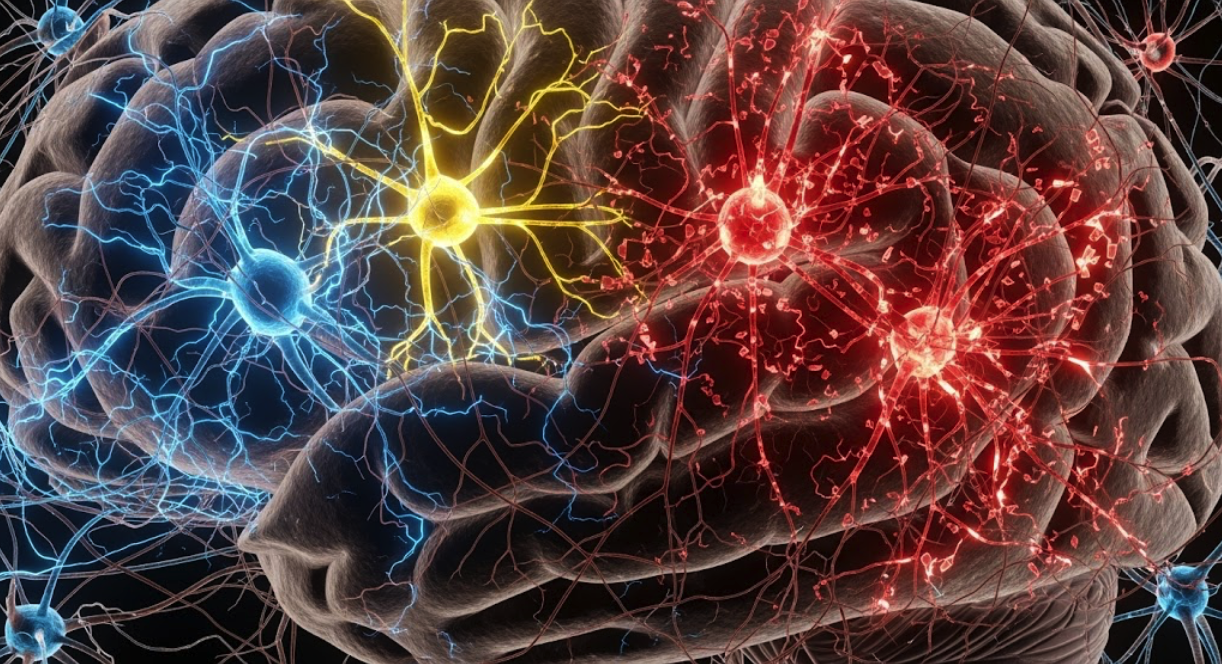
A recent study from the University of Arizona, published in the prestigious journal Brain, has uncovered a fascinating reason why this happens. Researchers found that during dyskinetic episodes, the motor cortex, your brain's primary movement-control center, becomes "disconnected" from the movements themselves. This challenges the long-held belief that the motor cortex was actively causing these involuntary actions.
So, What’s Happening in the Brain During Dyskinesia?
Think of your motor cortex as the conductor of an orchestra, ensuring all the musicians (your body's muscles) play in harmony. The new research suggests that during a dyskinetic episode, it’s as if the conductor has stepped away. Without clear direction, downstream neural circuits begin to generate these problematic movements on their own.
By recording the activity of thousands of neurons, scientists discovered that the firing patterns in the motor cortex showed very little connection to the dyskinetic movements. This "disconnection" is a crucial insight, as it opens the door to therapies that can help restore the conductor to the podium.
How Can Ketamine Therapy Potentially Help?
This is where the research gets truly exciting. The same study revealed that ketamine, a well-established anesthetic now used in low doses for mental health conditions, could help address this very disconnection. Ketamine appears to deliver a "one-two punch" against the neural chaos of dyskinesia.
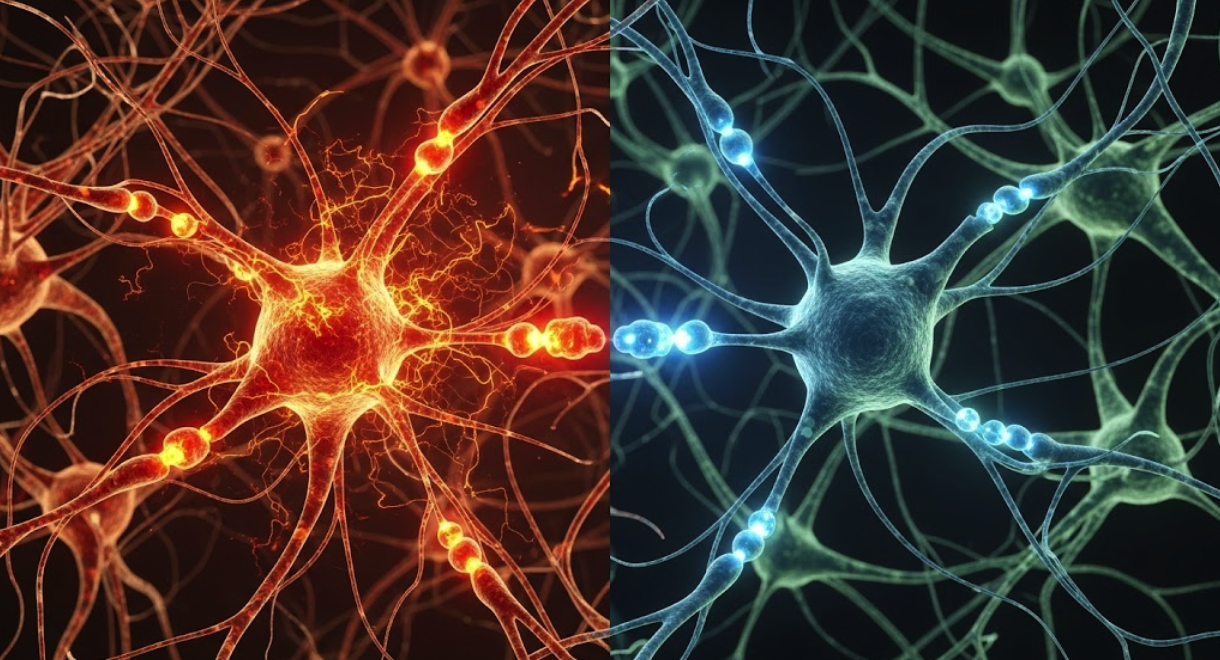
The First Punch: Immediate Disruption. Ketamine immediately disrupts the aberrant, repeated electrical pathways in the brain that cause dyskinesia. This helps quiet the uncoordinated signals, potentially allowing the motor cortex to regain some of its control over your movements.
The Second Punch: Long-Term Rewiring. Beyond its immediate effects, ketamine triggers a much slower, more profound process called neuroplasticity. This is your brain's natural ability to form new connections and strengthen existing ones. By promoting neuroplasticity, ketamine may help "rewire" neural circuits over hours, days, and even weeks, leading to lasting improvements.
In fact, the study highlights that the beneficial effects from a single course of ketamine treatment could be seen for weeks or even months.
Is This a Viable Treatment for Parkinson's Now?
This new understanding is incredibly promising. It’s backed by an ongoing Phase 2 clinical trial at the University of Arizona, where researchers are testing low-dose ketamine infusions for dyskinesia in Parkinson's patients. Early results are encouraging, with some patients experiencing significant benefits that last long after the treatment.
While ketamine is not yet an FDA-approved treatment specifically for Parkinson's disease, this research is a monumental step forward. By understanding how ketamine helps, experts can work toward refining dosages and developing new therapeutic approaches that maximize benefits while minimizing side effects.
Rediscover Your Well-Being with Innovative Care
The journey with Parkinson's is deeply personal, and the path to effective treatment should be just as individualized. The emerging research on ketamine for levodopa-induced dyskinesia represents a beacon of hope, showcasing how science is continually unlocking new ways to improve quality of life.
At MindWell, our commitment is to stay at the forefront of innovative, evidence-based care. While we specialize in ketamine therapy for conditions like treatment-resistant depression and PTSD, we are passionate about the expanding potential of these advanced treatments. We believe in a comprehensive strategy that addresses both your emotional and physical well-being, resulting in a personalized plan in a compassionate, spa-like setting.

If you are exploring advanced treatment options for your health, we invite you to start a conversation with our expert team. Contact MindWell today to learn more about our comprehensive and innovative approaches to help you rediscover your well-being.
