

The Hidden Danger: How Recreational Ketamine Abuse Damages Your Bladder
Ketamine has become a significant topic of conversation, recognized for its powerful therapeutic benefits in clinical settings. At MindWell, we see its potential firsthand when used safely and professionally. However, it's crucial to draw a clear line between medically supervised therapy and the dangers of recreational abuse.

One of the most serious, but often overlooked, side effects of recreational ketamine use is damage to your bladder. If you’ve heard about "ketamine bladder" or "K-Cystitis," you might be wondering what that means and how it happens. As health experts, we believe in providing clear, science-backed information to help you understand the risks and make informed decisions about your health.
Why Does Bladder Pain Occur with Recreational Ketamine Use?
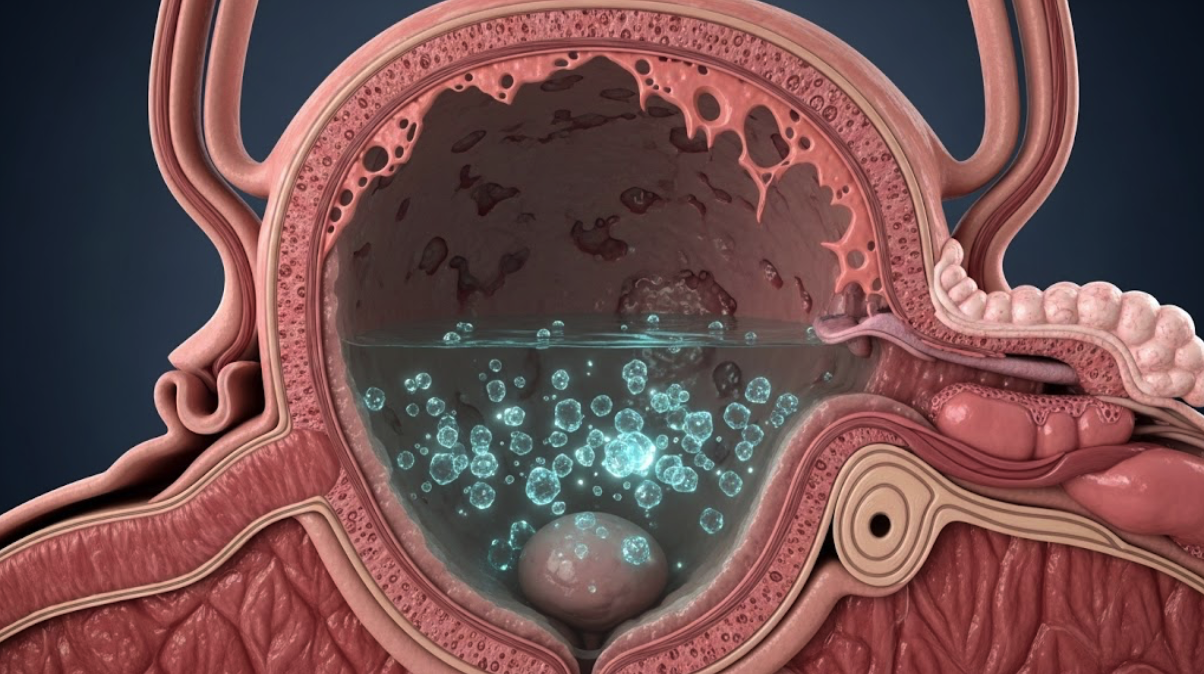
When someone uses ketamine recreationally, the drug is eventually processed by the body and excreted through the urinary system. The problem is that the ketamine metabolites present in your urine are highly toxic to the delicate lining of your bladder.
Recent research from the University of York has provided a clear window into how this damage occurs. Scientists found that the harm isn't a systemic, body-wide effect. Instead, it’s caused by the direct, corrosive contact of urinary ketamine with the bladder’s protective inner wall, known as the epithelium. In one case study, a patient's bladder lining was almost completely destroyed, while nearby urinary tract cells that never touched urine remained perfectly healthy, proving direct contact is the cause.
How Exactly Does Ketamine Destroy Bladder Cells?
To understand the damage, think of the cells lining your bladder as a protective shield. When ketamine is present in the urine, it attacks these cells on a microscopic level. The York research revealed a two-step process of destruction:
Overwhelming the Power Stations: Ketamine overwhelms the cell's internal power plants, known as mitochondria. This causes a catastrophic internal failure, leading to the release of toxins within the cell itself.
Activating Self-Destruct Mode: To prevent a toxic "melt-down" that could harm surrounding tissue, the cell initiates a controlled form of suicide called apoptosis.
While this self-destruct mechanism is a natural protective process, chronic recreational abuse means all the epithelial cells are constantly under attack. Eventually, so many cells are killed off that the bladder lining can no longer repair itself, leaving the underlying tissues exposed and inflamed.
What Are the Long-Term Consequences?
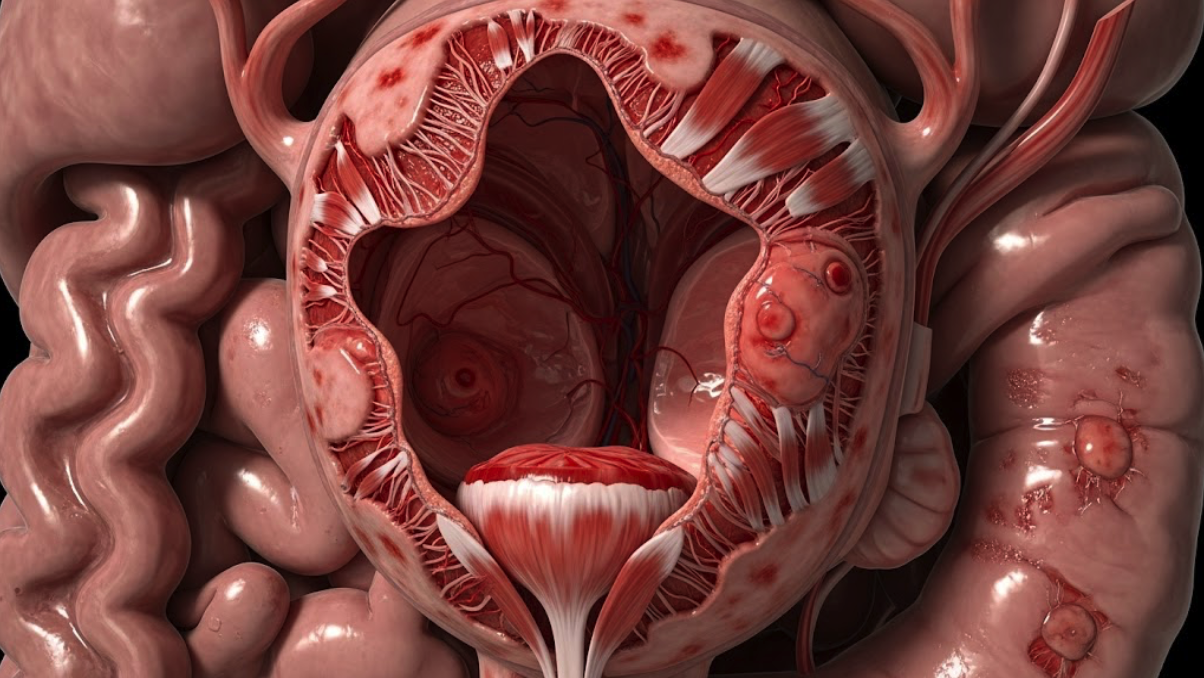
This progressive cell death is what leads to the extreme pain associated with ketamine cystitis. The symptoms can start with increased urinary frequency and urgency, but they can quickly escalate to severe pelvic pain and incontinence.
For chronic recreational users, the damage can become irreversible. When the bladder lining is gone, the organ can no longer function properly. In the most tragic and severe cases, the pain is so extreme and the damage so extensive that patients require a complete removal of the bladder (a cystectomy). Urologists warn that anyone experiencing bladder pain while using ketamine should stop immediately to prevent permanent harm.
Is This Different from Clinical Ketamine Therapy?
Yes, and this distinction is critically important. The risks of bladder damage are associated with the high-frequency, high-dosage, and impure nature of street ketamine. In a professional medical setting like MindWell, the entire process is different.
Controlled Dosing: Clinical ketamine therapy uses precise, sub-anesthetic doses that are administered infrequently under strict medical protocols.
Medical Supervision: You are monitored by healthcare professionals throughout the entire process to ensure your safety and well-being.
Therapeutic Goals: The aim is therapeutic, targeting specific conditions like treatment-resistant depression with a structured, evidence-based plan.
The uncontrolled nature of recreational abuse simply cannot be compared to the safety and precision of clinical ketamine therapy.

Prioritizing Your Health: The Clear Line Between Therapy and Abuse
Understanding the science behind ketamine-induced cystitis makes one thing clear: unsupervised, recreational ketamine use is a gamble with devastating potential consequences for your urological health. The evidence is undeniable: direct contact with ketamine in urine can systematically destroy your bladder lining, leading to irreversible damage and chronic pain.
If you are exploring advanced treatments for your mental health, it’s vital to do so in a safe, controlled, and professional environment. Your well-being is our highest priority.
Contact MindWell today to learn more about our safe, evidence-based, and compassionate approach to care. Let us help you navigate your wellness journey with the expertise you deserve.
