Navigating the Maze: Challenges and Considerations in Ketamine Therapy for Severe Depression
Depression does not always look the same, and for many of you, it does not respond to standard treatments in the way you might hope. If you have spent years cycling through various antidepressants with little relief, you may have heard about ketamine therapy. It is often hailed as a breakthrough for treatment-resistant depression. It offers a glimmer of hope when other lights have gone out.

However, moving forward with a new and powerful treatment requires more than just hope. It requires understanding. As health experts at MindWell, we believe in empowering you with transparency. While the benefits can be profound, the journey involves specific complexities that you need to be prepared for. Let’s explore the real challenges and vital considerations you should weigh before deciding if this path is right for your mental health journey.
How does ketamine differ from the medications I have tried before?
You are likely used to SSRIs or SNRIs. These medications work by slowly building up levels of serotonin or norepinephrine in your brain. They can take weeks or even months to show effects. Ketamine operates on a completely different system. It targets the NMDA receptors in the brain, which interact with a neurotransmitter called glutamate. This interaction can rapidly repair damaged neural pathways and boost synaptic plasticity. It essentially helps your brain "rewire" itself. The most distinct difference you will notice is the speed. For many, relief comes within hours or days rather than weeks.
Is this treatment suitable for everyone struggling with severe depression?
This is one of the most critical considerations for you and your care team. While effective, ketamine is not a universal fix. If you have a history of psychosis, schizophrenia, or certain active substance use disorders, this therapy might not be safe for you. Additionally, because ketamine can temporarily raise blood pressure, uncontrolled hypertension or unstable heart conditions are significant red flags. Your safety is paramount. That is why a comprehensive medical and psychiatric evaluation at a clinic like MindWell is the first, non-negotiable step to ensure you are a good candidate.

What does the "dissociative" experience feel like, and is it scary?
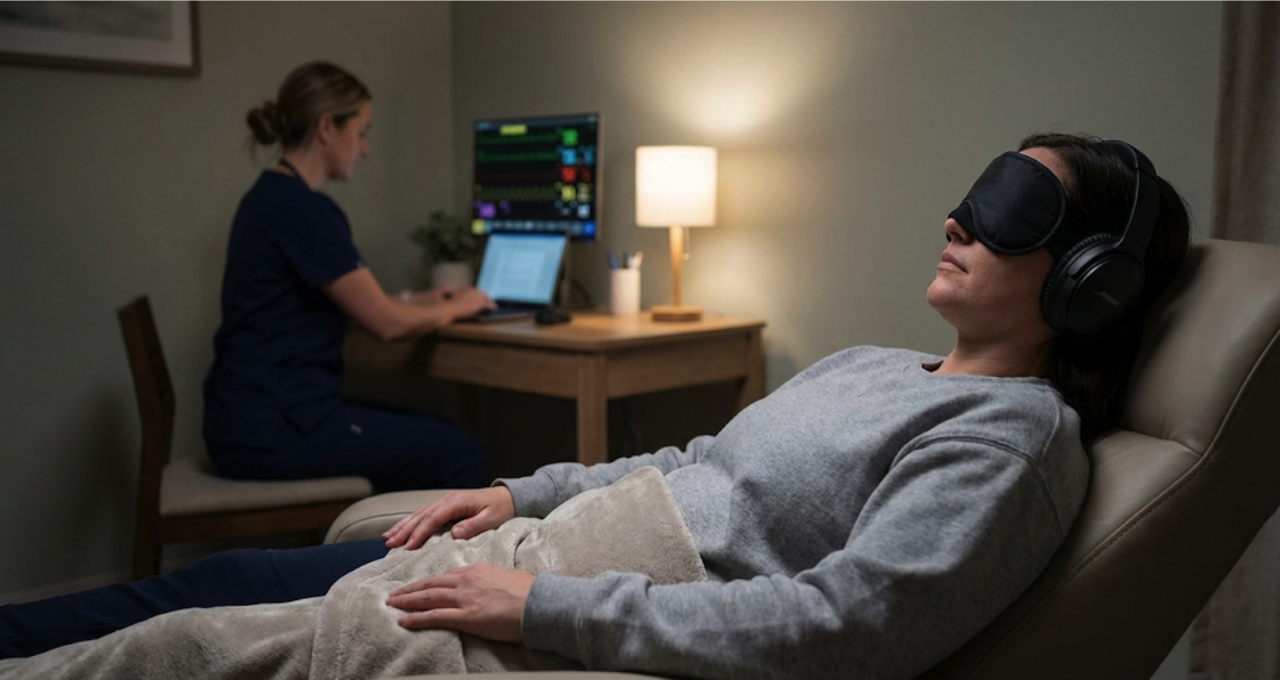
You might have heard this described as a "trip" or an "out-of-body" experience. During a session, you may feel a sense of detachment from your physical body or your surroundings. For some, this dissociation is peaceful and allows for a new perspective on traumatic memories or negative thought patterns. For others, feeling a loss of control can be anxiety-inducing or overwhelming. It is important to remember that this state is temporary and typically lasts only as long as the treatment. Being in a calming, spa-like environment with trained professionals monitoring you, just like the setting we provide, can significantly reduce this anxiety and help you feel safe during the experience.
Are there physical side effects I need to plan for immediately after treatment?
Yes, you should expect some immediate physical responses. Nausea is a common side effect for many patients, though it can often be managed with medication administered before or during the treatment. You might also experience dizziness, blurred vision, or mild confusion as the medication wears off. Because of these effects, you cannot drive yourself home after a session. You will need to arrange for a friend, family member, or ride service to ensure you get home safely. Planning your day around this downtime is a logistical necessity.
What are the financial and time commitments involved?
This is a practical challenge that often catches people off guard. A standard course of ketamine therapy usually involves an "induction phase" of about six infusions over two to three weeks, followed by maintenance boosters. This is a significant time commitment. Financially, while FDA-approved intranasal treatments like Spravato are often covered by major insurance plans, IV ketamine infusions may sometimes be an out-of-pocket expense depending on your provider and insurance policy. We recommend verifying your benefits early so you can make a financially informed decision without unexpected stress.
What unknowns still exist regarding long-term use?
Science has come a long way, but we are still learning. While short-term safety is well-documented, the long-term effects of repeated, frequent ketamine use over many years are still being studied. Questions remain regarding the optimal frequency of maintenance doses to prevent relapse without creating dependency or tolerance. There is also ongoing research into potential long-term impacts on the bladder and cognitive function with heavy, chronic use, although these are rarely seen in controlled clinical settings. Your provider will closely monitor your progress to balance long-term relief with long-term safety.
Why is the setting of the treatment so important?
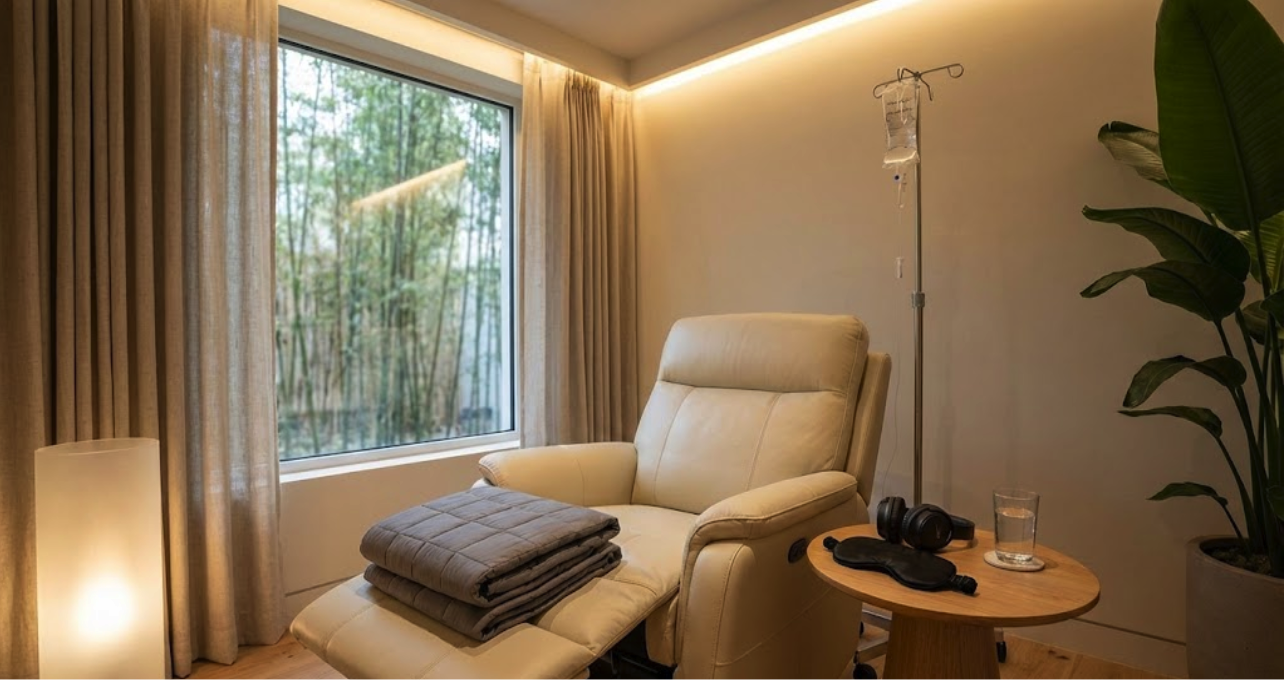
The influence of your surroundings should never be undervalued. Because ketamine induces a heightened state of sensitivity, a chaotic or clinical hospital room can sometimes lead to a negative psychological experience. A supportive, therapeutic setting is crucial. This is often referred to as "set and setting." You need a space that feels secure, private, and calming to maximize the therapeutic benefit. This holistic approach ensures that you are not just receiving a drug but are being supported emotionally and physically through a transformative process.
Moving Forward: Balancing Hope with Informed Caution
Ketamine therapy represents a paradigm shift in treating severe depression. It offers relief where other treatments have failed. Yet, it is not a magic wand. It is a sophisticated medical treatment that demands careful screening, professional monitoring, and a commitment to the process. By understanding the challenges, from the physical sensations to the logistical requirements, you can approach this option with realistic expectations and confidence.